
Image via FreightWaves
Last updated
OOCL: Restructuring
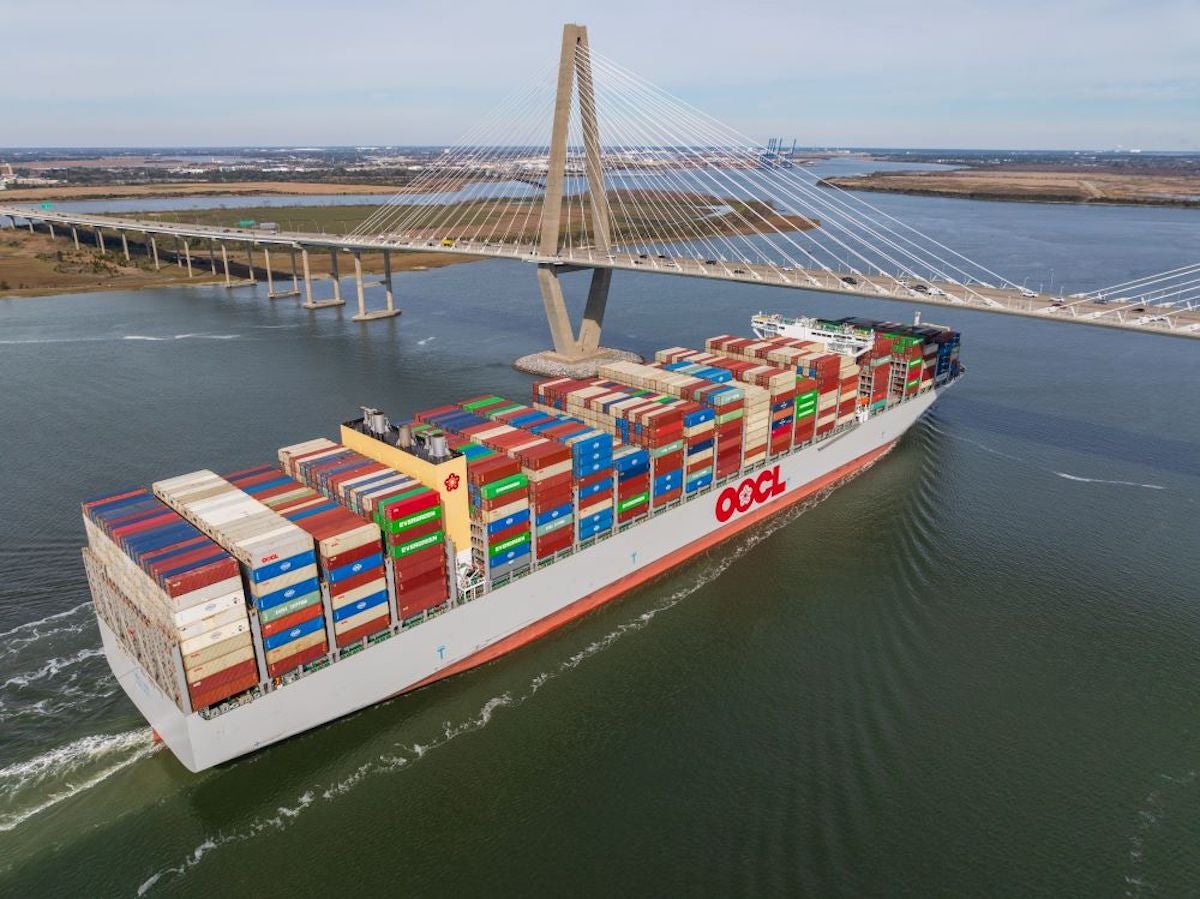
Orient Overseas Container Line saw Q1 profits decline on weaker rates despite higher container volumes, indicating financial pressure
Source: FreightWaves
The leadership read
Restructuring typically reshapes the sector leadership bench strength toward transformation and turnaround capability.
Market context: MitchelLake's Talent Market Index sits at 107.4 (Hot), down 1.7 on the prior month; Asia hiring signal is running steady (+0.3pts).
OOCL: 0 signals in the last 90 days; 0.1% of MitchelLake's Asia signal flow.
From the MitchelLake archive
More signals across Asia
Restructuring · Asia
Metro →Metro announced closure of department stores in Paragon and Causeway Point upon lease expiration, repositioning to adapt to changing consumer preferences.
Restructuring · Asia
Volvo Cars →Volvo Cars scrapped its sales-growth target for the year due to sharper-than-expected deterioration in China market
Restructuring · Asia
CelcomDigi →CelcomDigi implementing ongoing operational excellence (OE) programme targeting RM700-800 million in annualised savings (opex and COGS). Programme designed to offset equity accounting impact of Digital Nasional Bhd (DNB) losses beginning Q3/Q4 FY26.
Restructuring · Asia
Crypto.com →Crypto.com reduced workforce by approximately 12% in March 2026 as part of shift toward enterprise-wide AI integration
Restructuring · Asia
Samsung Electronics →Samsung Electronics faces internal labour unrest over a nearly 100-fold compensation gap between chipmaking (DS division) and device-making (DX division) employees; SECU union now represents ~55% of DX workforce and is planning protest rallies.
Restructuring · Asia
NoBroker →NoBroker is pivoting from a freemium listings platform to a multi-vertical consumer ecosystem focused on profitability, shifting monetization toward property resales, real estate launches, and ancillary services including fintech, home services, and beauty. The company aims to achieve profitability within 15 months after reporting ₹411 Cr loss in FY24.
Intelligence powered by Autonodal ↗